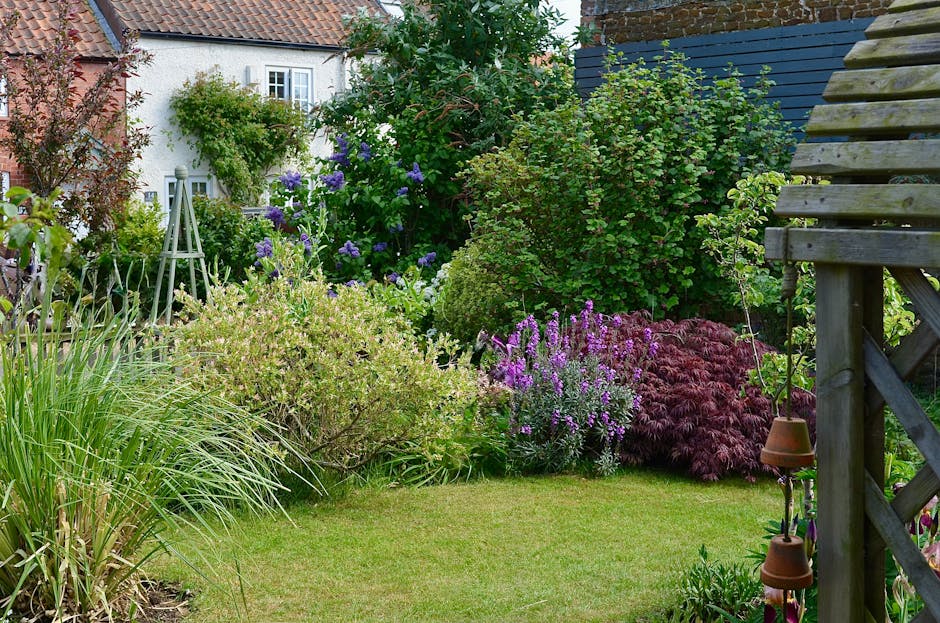
Plaistow Broadway small garden ideas for city gardeners

If you live near Plaistow Broadway, you already know the truth: outdoor space is precious, and not always generous. A small patio, a narrow yard, a bit of awkward paving, maybe a shaded corner that never quite knows what it wants to be. That does not mean the space is a lost cause. In fact, the best Plaistow Broadway small garden ideas for city gardeners usually come from working with the limits, not fighting them. With the right layout, planting, and a few clever choices, even a compact garden can feel calm, green, and genuinely useful.
This guide is for anyone who wants a garden that works hard in a city setting. We will look at practical ideas, common mistakes, and the kind of design decisions that make a small garden feel bigger, brighter, and easier to look after. Nothing fluffy. Just useful, realistic advice you can act on.
Table of Contents
- Why Plaistow Broadway small garden ideas for city gardeners matters
- How Plaistow Broadway small garden ideas for city gardeners works
- Key benefits and practical advantages
- Who this is for and when it makes sense
- Step-by-step guidance
- Expert tips for better results
- Common mistakes to avoid
- Tools, resources and recommendations
- Law, compliance, standards, or best practice
- Options, methods, or comparison table
- Case study or real-world example
- Practical checklist
- Conclusion
- Frequently asked questions
Why Plaistow Broadway small garden ideas for city gardeners Matters
Small gardens in a built-up London area are not just "mini versions" of bigger gardens. They behave differently. Light gets blocked by fencing and neighbouring buildings, surfaces heat up quickly in summer, and every square metre has to earn its keep. That is why Plaistow Broadway small garden ideas for city gardeners matter so much: they help you build a space that suits urban life instead of copying a suburban template that never quite fits.
In a city garden, you often need to solve several problems at once. You may want privacy from nearby windows, storage for bins or tools, somewhere to sit with a coffee, and enough planting to soften hard edges. Easy enough in theory. In practice, it can feel like trying to fit a dining room, a greenhouse, and a lounge into a cupboard. A good small-garden plan makes those choices clearer.
There is also a mental health angle, even if that sounds a bit grand. A tidy, green space can make the day feel lighter. You open the back door, hear a bit of traffic in the distance, see leaves move in the breeze, and suddenly the place feels more like home. That matters in a dense city street where outdoor breathing room can be limited.
If the space has been neglected for a while, a clean start may help before any design work begins. Services such as garden clearance and garden maintenance can take the pressure off and give you a blanker canvas to work with. Sometimes that first tidy-up is the turning point. Not glamorous, but very effective.
How Plaistow Broadway small garden ideas for city gardeners Works
The basic principle is simple: reduce clutter, improve flow, and choose features that do more than one job. In a small urban garden, every decision affects how the space feels. A narrow path can make the garden seem even tighter. A dark fence can swallow light. A large planter in the wrong place can block movement. So the work begins with layout, not shopping.
Think in layers. Ground level gives you structure, mid-level planting softens the hard edges, and vertical space adds height without taking up much room. That might mean wall trellises, slim climbers, hanging pots, or a small raised bed. It might also mean replacing bulky items with lighter visual forms. For example, a few large containers can look calmer than lots of tiny ones scattered about.
Another part of how it works is understanding the microclimate of your garden. Some city gardens are surprisingly windy. Others are warm, sheltered, and dry because surrounding buildings trap heat. Some are heavily shaded for much of the day. The right planting choices depend on those conditions, not just on what looks good in a catalogue at 8pm on a rainy Tuesday.
In many cases, the practical design process also overlaps with hard landscaping. If your garden needs a proper seating area, easier movement, or a more durable surface, it may be worth looking at landscaping or even decking services where appropriate. A small deck or paved zone can make a garden feel more usable straight away. Then planting can do the softening work around it.
And yes, it is possible to overdo it. City gardens do not need every idea at once. They need a clear plan. One strong focal point, one easy route through the space, and planting that does not become a maintenance headache by July. That is usually the winning formula.
Key Benefits and Practical Advantages
A thoughtful small-garden design gives you more than a prettier view. It improves how the space functions day to day. That is especially valuable in city homes where outdoor areas often have to work as a dining spot, a quiet retreat, a play area, and a place for plants all at once.
- It makes the garden feel larger. Open sightlines, lighter colours, and fewer visual barriers can create a stronger sense of space.
- It lowers maintenance pressure. A simpler planting scheme is easier to keep healthy and tidy.
- It improves year-round use. Smart shelter, seating, and evergreen structure help the garden work beyond summer.
- It increases comfort. Privacy screening, soft planting, and better surfaces make time outside more enjoyable.
- It can support biodiversity. Even a tiny garden can offer food and shelter for pollinators and birds.
There is also a subtle value in having a space that feels deliberate. A small garden that is organised well tends to feel more relaxing than a bigger one with no plan. You notice this quickly on a busy weekday evening: the chair is where it should be, the pot group looks balanced, and there is no visual noise shouting for attention.
For people who want help keeping things in shape over time, ongoing garden maintenance can protect the design you have built. A good small garden often looks simple because someone has done the quieter, regular work behind the scenes.
Who This Is For and When It Makes Sense
These ideas suit a wide range of city gardeners, but they are especially useful if you have limited outdoor space and want it to feel intentional rather than cramped. If you live in a terrace, maisonette, flat with a yard, or a compact back garden off a busy street, this is likely your situation already.
It also makes sense if you are dealing with one of these common scenarios:
- a garden that has become cluttered and hard to use
- too much shade or too much glare from neighbouring walls
- patchy lawn that never really thrives
- bare fencing and not enough privacy
- an awkward shape with a narrow run-down side area
- a wish to add seating without making the space feel full
If you are renovating a property, planning to let one out, or simply trying to make everyday life more pleasant, small-garden improvements can be a very sensible use of budget. Truth be told, a well-designed compact garden often delivers more day-to-day enjoyment than a larger but unfocused one.
It is also worth considering professional support if the site has overgrown hedging, trees that cast too much shade, or an uneven layout. A bit of targeted work from hedge trimming or tree lopping and removal may unlock light and shape in a way that completely changes the garden. Sometimes the fix is less about adding and more about revealing.
Step-by-Step Guidance
Here is a practical way to approach a small garden without getting overwhelmed. Keep it steady. You do not need to solve everything in one weekend.
- Measure the space properly. Note widths, lengths, shade patterns, drainage issues, and any awkward corners. A rough sketch is enough to start.
- Decide what the garden must do. Sitting area? Storage? Plants? Pet space? Pick the top two or three jobs first.
- Clear out what is not earning its keep. Broken pots, tired furniture, and overgrown debris can make a tiny garden feel much worse than it is.
- Choose a simple layout. Usually this means one clear seating zone, one planting zone, and a path or open strip that keeps the garden flowing.
- Use vertical features. Trellis, climbers, wall planters, and slim shelves help you add greenery without losing floor space.
- Pick a restrained plant palette. A few repeated species look calmer than a random mix of ten different things. Repetition is your friend here.
- Build in easy maintenance. Use mulch, sturdy containers, and plants that suit the light levels so the space does not become a chore.
- Review after a few weeks. Sit in the garden at different times of day and see what feels too shaded, too busy, or too exposed.
One small but useful trick: stand at the back door and look out as if you are a visitor. What is the first thing your eye lands on? If it is a dustbin, a patchy fence, or an unruly corner, that is where your design attention should go first. The garden will often tell you what it wants, if you let it.
If the site is overgrown or the structure is hidden under old growth, a reset through garden clearance can make the planning stage much easier. Better to see the bones of the garden before deciding on the finish.
Expert Tips for Better Results
Small gardens reward discipline. A few good decisions usually beat a long list of average ones. Here are the techniques that tend to work best in urban settings.
- Go lighter on the hard surfaces. Pale paving, light gravel, or lighter painted fencing can bounce more light around. Not blinding white, just lighter and cleaner-looking.
- Keep the planting rhythm consistent. Repeat shapes and heights so the eye moves smoothly across the space.
- Use multi-season plants. Choose varieties that give structure in winter, foliage in spring, and flowers or texture in summer.
- Mix containers by size, not by noise. A few grouped pots usually look more designed than lots of random individual ones.
- Leave some emptiness. This is the part many people skip. A little open space gives the garden breathing room.
- Think about maintenance before purchase. If a plant grows fast, ask yourself where it will be in 18 months. Will it still fit? Will you still like it?
Another expert-level point: use texture to create richness rather than simply increasing the number of plants. A feathery grass beside a broad-leaved evergreen, or a glossy container next to a rough timber edge, can look more interesting than a busy mix of colours. Subtle, but it works.
If your garden includes a lawn, keep expectations realistic. A tiny lawn can be charming, but it can also become a muddy rectangle if it is too shaded or heavily walked on. In that case, regular lawn mowing and a hardier layout may be all you need. Sometimes the smallest lawn is still the best one, but only if the conditions are right.
And one more thing: city gardens often look best at dusk. Around early evening, when the traffic quietens a little and the light softens, even a modest garden can feel oddly lovely. Slightly magical, even. No joke.
Common Mistakes to Avoid
Small gardens punish poor decisions quickly. The good news is that most mistakes are easy to spot once you know what to look for.
- Overfilling the space. Too many pots, ornaments, or furniture pieces make the garden feel smaller.
- Ignoring shade and moisture. A plant that loves sun will sulk in a dark corner. A plant that wants drainage will hate a soggy patch.
- Using tiny features everywhere. Mini pots and mini ornaments can create visual noise. Bigger, fewer items often work better.
- Forgetting access. If you cannot reach the back fence easily, maintenance becomes a pain.
- Choosing high-maintenance plants by impulse. Beautiful today, annoying next month. It happens more than people admit.
- Leaving structure out. Without evergreen shape or some permanent framework, the garden can look empty in winter.
The biggest mistake, though, is trying to solve every problem with planting alone. Plants are brilliant, but they are not a substitute for a good layout. If the flow is wrong, the garden will still feel awkward. If the hard surfaces are tired or the fencing is shabby, the plants will only partly hide that fact. Better to deal with the basics first.
When a garden feels beyond the point of tidy-up, a more structured approach through landscape gardening or broader landscaping can help bring order back in. Not every project needs a full redesign, but some do. It is okay to be honest about that.
Tools, Resources and Recommendations
You do not need a huge toolkit to improve a small garden, but you do need a few reliable basics. The right tools make the job easier and less frustrating, which, let's face it, matters just as much as the final result.
- Measuring tape for planning furniture, paths, and beds properly
- Spade and hand trowel for planting and edging
- Secateurs for tidy pruning and deadheading
- Good-quality watering can or hose for container care
- Gloves and knee pad for comfort during frequent small jobs
- Container compost and mulch to help retain moisture and support healthy growth
For regular upkeep, a dependable service schedule is often more useful than occasional big interventions. A garden stays manageable when someone keeps an eye on edges, growth, and surface condition before things get out of hand. If that sounds like the sort of support you want, garden maintenance is usually the practical starting point.
It may also be worth reviewing sustainability choices. Reusing containers, selecting durable materials, and avoiding unnecessary waste all help the garden age better. If that matters to you, the page on recycling and sustainability can support a more environmentally thoughtful approach to garden work.
For homeowners comparing help, services, and next steps, services overview gives a useful sense of the wider options available. And if you are still weighing up budget and scope, pricing and quotes is the right place to start. Clear expectations matter, especially when you are working with a compact space and every decision has visible impact.
Law, Compliance, Standards, or Best Practice
For a typical small garden project, the main issues are usually practical rather than legal. That said, good practice still matters. If you are trimming trees, altering boundaries, removing waste, or changing hard landscaping, it is sensible to check what applies to your property and to avoid assumptions. In London, especially around tightly packed homes, boundaries and access can be sensitive. A careful approach saves awkwardness later.
If work involves ladders, heavy materials, cutting equipment, or overhead branches, safety should not be treated as a side note. Responsible contractors normally work with proper insurance, sensible risk controls, and clear communication. If you are choosing outside help, pages like insurance and safety and health and safety policy are worth reading so you understand the standards being followed.
For any project that involves materials removal or garden waste, good disposal practice matters too. Clearing rubbish properly, separating reusable green waste where possible, and avoiding fly-tipping are part of professional behaviour, not optional extras. If the garden needs a major reset, using garden clearance from the start can help keep the work orderly.
There is also a simple but important principle: do not overpromise on what a small space can do. A tiny garden can be beautiful, practical, and calm. It cannot be everything at once. Once you accept that, the design choices get easier.
Options, Methods, or Comparison Table
Not every small garden needs the same approach. Some are best kept soft and planted. Others need more structure. Here is a straightforward comparison to help you think it through.
| Approach | Best for | Strengths | Trade-offs |
|---|---|---|---|
| Plant-led design | Gardens with decent soil and enough light | Natural look, softer feel, good for biodiversity | Can need more upkeep and seasonal replacement |
| Hard-landscape-led design | Very small or heavily used spaces | Easy to clean, durable, practical for seating | Can feel hard if not softened with planting |
| Mixed design | Most city gardens | Balanced, flexible, visually rich | Needs thoughtful planning to avoid clutter |
| Low-maintenance design | Busy households or rental properties | Easier upkeep, more predictable results | Less change through the seasons |
For most people near Plaistow Broadway, the mixed design is the sweet spot. It gives enough planting to feel alive, but enough structure to stay manageable. That balance is usually where the space starts to feel truly usable.
Case Study or Real-World Example
Here is a realistic example from the sort of space many city gardeners recognise. A narrow back garden with tired paving, a fence that had gone grey and patchy, one overgrown corner, and a lawn section so small it never really worked. Nothing dramatic. Just a common urban garden that had drifted into "one day we'll sort it" territory.
The first step was clearance. Old pots, broken bits, and a few stubborn weeds came out. That alone made the garden feel less defeated. Then the overgrown side growth was reduced so more light reached the centre of the plot. That shift mattered more than expected. Suddenly the back of the garden no longer felt like a tunnel.
The layout was kept simple: a small seating area nearest the house, a slim strip for planting along one fence, and a few larger containers grouped together near the far end to create a visual destination. No clutter. No over-complication. The planting palette focused on repetition, so the eye could settle rather than dart around.
The result was not a show garden, and it was never meant to be. It became a usable city space that felt calmer, looked bigger, and needed less constant attention. In winter it still held its shape. In summer it had enough life to feel fresh. That is the real win with small urban gardens: not perfection, just a space that is pleasant to step into on an ordinary Tuesday.
If a project like that sounds close to your situation, a combination of lawn mowing, hedge trimming, and a broader tidy-up can often get things moving without overcommitting to a full redesign. Start where the space is struggling most. The rest usually follows.
Practical Checklist
Use this checklist before you start planting or buying furniture. It helps you keep the project grounded.
- Measure the full space, including awkward corners and narrow passages
- Note where the garden gets sun, shade, wind, and standing water
- Clear out broken, unused, or oversized items
- Choose the main job for the garden: sitting, planting, relaxing, or storage
- Keep one clear route through the space
- Use vertical space for climbers or wall features
- Repeat a small number of plant types for a calmer look
- Leave room to move, sit, and maintain the garden easily
- Check whether trees or hedges are blocking too much light
- Plan for maintenance now, not later
- Think about sustainability and reuse where possible
- Ask for help if the garden needs a reset before design work begins
That final point is worth saying twice, honestly. A clean, workable base makes every design decision easier. And it usually saves time too.
Get a free quote today and see how much you can save.
Conclusion
The best Plaistow Broadway small garden ideas for city gardeners are not the flashiest ones. They are the ones that make a tight outdoor space easier to live with, easier to enjoy, and easier to keep in shape. A good layout, a few strong planting choices, and sensible maintenance can change the feel of a garden far more than a lot of expensive extras.
Start small, stay realistic, and work with the light, shape, and pace of city life. If the space needs clearing, trimming, or a proper rethink, tackle that first. Then build the garden around how you actually live. That is where the real comfort comes from.
And if you only remember one thing, make it this: a small garden does not need to be big to be brilliant. It just needs to be honest, balanced, and loved a little.
Frequently Asked Questions
What are the best small garden ideas for a city home near Plaistow Broadway?
The best ideas usually combine compact seating, vertical planting, lighter surfaces, and a simple layout. In a city home, the goal is to make the space feel open and easy to use rather than crowded.
How do I make a small garden look bigger?
Use fewer, larger features; keep sightlines open; choose lighter colours where suitable; and avoid clutter. A clear layout with repeating plants often makes the biggest visual difference.
What plants work well in a small urban garden?
It depends on light and shelter, but compact shrubs, climbers, grasses, and reliable perennials usually work well. The key is to choose plants that suit your actual conditions rather than forcing sun-lovers into shade.
Is decking a good idea for a small garden?
Yes, if you want a usable seating area and a clean, structured finish. A small deck can work very well in compact spaces, especially when paired with planting around the edges.
Should I keep a lawn in a tiny garden?
Only if it has enough light and you genuinely want to maintain it. In many small city gardens, a lawn can become awkward or patchy, so paving, planting, or decking may be a better fit.
How much maintenance does a small urban garden need?
That depends on the planting style. A simple, low-maintenance layout with durable plants and good structure needs less attention than a densely planted garden with lots of seasonal change.
What should I do first if my garden is overgrown?
Start with clearance and pruning before planning the design. Once the clutter is removed, you can see the shape of the space and make far better decisions about layout and planting.
Can a very shady garden still look good?
Absolutely. Shade can be used to create a cool, calm garden with texture and structure. The trick is choosing shade-tolerant plants and not trying to force a sunny-garden look into a shaded space.
Do small gardens need professional landscaping?
Not always, but professional help can be useful if the layout is awkward, the ground is uneven, or you need hard landscaping, clearance, or structural work. Sometimes a small amount of expert input saves a lot of trial and error.
How do I keep a small garden from feeling cluttered?
Limit the number of materials, colours, and plant types. Group similar items together and leave some open space. It sounds simple, but it is usually the difference between calm and chaos.
What if I want privacy in a small city garden?
Use screening strategically with hedging, climbers, trellis, or taller containers. The best privacy solutions are the ones that feel soft and integrated rather than wall-like.
Who can help if I want the garden cleared or maintained regularly?
If you need ongoing support, look for a service that can handle clearance, trimming, mowing, and maintenance in a way that matches the size and condition of your space. It is often better to use a tailored approach than a one-size-fits-all package.