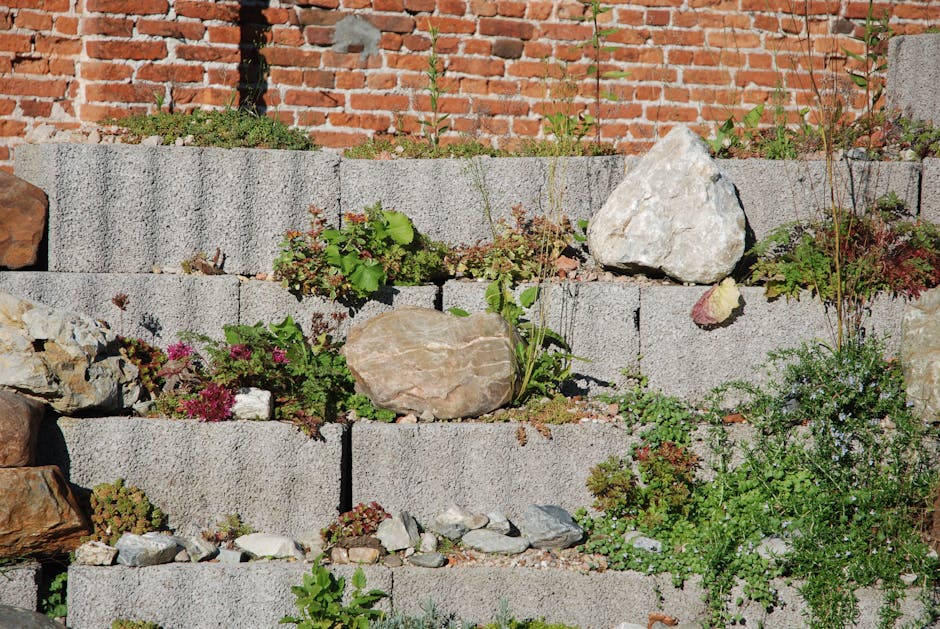
E13 terrace garden upgrades guide for Plaistow gardeners
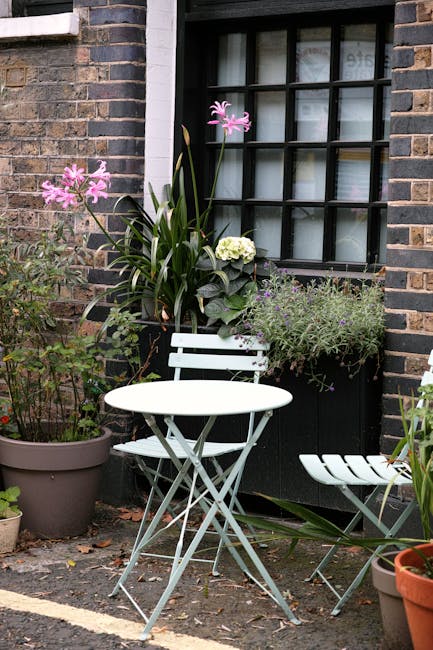
If you live in E13 and your terrace garden feels a bit too small, too exposed, or just plain underused, you are not alone. A lot of Plaistow gardens have the same story: a compact footprint, awkward shade, a bit of wind, maybe a tired slab area that has seen better days. The good news? With the right upgrades, even a modest terrace can become somewhere you actually want to sit, plant, and look out on.
This E13 terrace garden upgrades guide for Plaistow gardeners breaks down what works in real homes, what to avoid, and how to plan improvements that suit London living rather than fighting it. We will look at structure, planting, surfaces, privacy, drainage, maintenance, and when it makes sense to bring in help. No fluff. Just practical ideas that can turn a cramped outdoor space into a calmer, more useful one.
Expert summary: In terrace gardens, the best upgrades are usually the ones that solve more than one problem at once. A well-placed deck can create seating and level changes, raised beds can improve soil quality, and simple screening can make a space feel twice as private. Small changes, properly chosen, often beat a complete overhaul.
- Why terrace garden upgrades matter in E13
- How the upgrade process works
- Key benefits and practical advantages
- Who this is for and when it makes sense
- Step-by-step guidance
- Expert tips for better results
- Common mistakes to avoid
- Tools, resources and recommendations
- Law, compliance, standards, or best practice
- Options, methods, and comparison table
- Case study or real-world example
- Practical checklist
- Conclusion
- Frequently asked questions
Why E13 terrace garden upgrades guide for Plaistow gardeners Matters
Terrace gardens in Plaistow tend to be a bit unforgiving. They can be narrow, shaded by fences or neighbouring buildings, and exposed to gusts that arrive with no warning. One day the space feels bright enough for herbs; the next day it is all draught and damp corners. That is exactly why targeted upgrades matter. They help you work with the site instead of constantly trying to patch around its limits.
For many homeowners and tenants, the garden becomes a storage zone by accident. A couple of pots. A broken chair. A patchy lawn that never really took. Then suddenly the whole area is being ignored. A thoughtful upgrade changes that pattern. It gives the space purpose. It also makes day-to-day upkeep easier, which matters more than people think. Let's face it, no one wants a garden that looks lovely for three weeks and then becomes a chore.
E13 gardens also benefit from planning because access can be tight. Materials have to move through houses, side passages, or narrow rear paths. Heavy work needs a bit of choreography. The better the plan, the less disruption you get. That is where a proper upgrade strategy pays off, especially if you are considering landscape gardening support or broader outdoor improvements.
There is another point too. A terrace garden is often the first outdoor space you see from the kitchen or living room. That view shapes how the home feels. Even a simple clean layout, with fresh planting and one well-finished surface, can change the whole atmosphere. Morning coffee feels different. Evening light looks softer. It sounds small, but it really is not.
How E13 terrace garden upgrades guide for Plaistow gardeners Works
A good terrace garden upgrade usually follows a sequence, not a random shopping list. First you assess the current space. Then you decide what the garden needs to do. Only after that do you choose materials, planting, and features. That order sounds obvious, but plenty of projects go wrong because someone starts with the prettiest idea rather than the right one.
In practical terms, the process usually begins with four questions:
- How is the space used now, and how would you like it to be used?
- What are the biggest problems: shade, drainage, privacy, storage, access, or low maintenance?
- Which existing features are worth keeping?
- How much time do you want to spend maintaining the result?
Once that is clear, the upgrade path becomes easier. For example, a garden that is too uneven for furniture might need levelling and a new surface. A space that feels overlooked may need screening, climbing plants, or a trellis system. A tired plot with compacted soil could benefit from garden clearance first, then fresh beds and mulch. If the area needs a bigger reset, garden clearance can be the clean starting point that makes everything else possible.
From there, the work often breaks into layers. Structural work first. Surfaces second. Planting last. That sequence keeps the build efficient and avoids damaging finished areas later. It also makes budgeting more sensible, because you can see where the money is going.
Key Benefits and Practical Advantages
The obvious benefit is that the garden looks better. But that is only half the story. A well-planned terrace upgrade can make outdoor living easier, cleaner, and more private. In a busy part of London, that is no small thing.
- Better use of space: Compact layouts can create distinct zones for sitting, growing, and storage.
- Improved privacy: Screening, trellis, and planting can reduce the "everyone can see everything" feeling.
- Lower maintenance: Replacing awkward surfaces or high-maintenance planting with smarter choices saves time.
- Healthier planting: Raised beds, better soil, and improved drainage help plants establish more reliably.
- More comfortable outdoor living: Shade, seating, and wind protection make the space usable for longer.
- Better kerb appeal at the rear: Rear gardens matter to buyers, tenants, and you, frankly, every time you open the back door.
There is also a quieter benefit: momentum. Once a terrace garden is improved, people tend to use it more. They water the herbs, sit outside more often, and keep the space tidier because it feels worth caring for. It is a bit of a virtuous circle.
If your project includes fencing, decks, or retaining levels, the finish matters just as much as the layout. A neat, durable base makes the rest feel intentional rather than improvised. That is where decking services can sometimes provide the right foundation for a compact entertaining area.
Who This Is For and When It Makes Sense
This guide is useful for homeowners, landlords, tenants with permission, and anyone trying to improve a small outdoor space in E13 without overcomplicating it. It is especially relevant if your terrace garden is:
- narrow or irregularly shaped
- mostly paved but underused
- shady for much of the day
- exposed to wind or draughts
- overgrown, cluttered, or patchy
- hard to keep tidy because the layout is awkward
It also makes sense if you are planning to stay put for a while and want the space to feel like part of the home. Sometimes people wait too long because they assume the garden is "too small to bother with". Truth be told, those are often the easiest gardens to improve because every decision has an immediate visible effect.
You may not need a full makeover. A modest upgrade can be enough if you only want better seating, a cleaner view, or a place for herbs and a few shrubs. On the other hand, if the garden has drainage issues, damaged structures, or a general sense of collapse, a more complete landscaping plan is often smarter than piecemeal fixes.
Step-by-Step Guidance
1. Start with a clear brief
Write down what the garden should do. Be blunt about it. Maybe you want somewhere for a table and two chairs. Maybe you want low-maintenance greenery. Maybe you need a child-friendly or pet-friendly area. One sentence is enough, but it should be specific.
2. Measure properly and note the awkward bits
Measure the full space, but also note the things that shape it: soil depth, access routes, drain covers, window lines, and any fixed structures. In a terrace garden, the awkward bit is often the one that decides everything else. That half-shaded corner may look useless now, yet it could become the best planting pocket if you work around it properly.
3. Decide on the structure first
Think about surfaces, levels, and boundaries before buying plants. A stable structure might include paving, timber edging, a deck section, or raised planters. If the layout needs larger changes, planning a full redesign through landscape gardening is often the cleanest route.
4. Sort drainage and soil quality early
Water management is easy to ignore until it becomes a problem. Puddles, damp corners, and compacted soil all limit what you can do. Raised beds, permeable materials, and improved soil mixes can all help. This is one area where a quick visual fix is not enough.
5. Add privacy and shelter
Privacy in London gardens usually comes from layering. A screen alone can look stark. A screen with climbers, bamboo in containers, or evergreen structure feels warmer and less harsh. If you get wind across the garden, think about how it moves. A solid barrier can sometimes make turbulence worse; a more open solution may be better.
6. Choose planting that suits the site
Do not fight the light. If the space is shaded, choose plants that can cope. If it is sunny, use containers and borders that will not dry out too fast. A terrace garden should not need constant rescue. A little plant planning saves a lot of frustration later.
7. Finish with lighting, furniture, and maintenance access
These are the last things to go in, but they make the biggest difference to how the space feels. A small seat, a low-energy light, or a tidy storage point can make the whole garden feel finished. Leave enough room to sweep, water, and reach the plants. Otherwise the new design gets annoying very quickly.
Expert Tips for Better Results
In our experience, the best terrace upgrades are the ones that feel calm rather than busy. Here are a few practical tips that make a real difference.
- Use repetition: Repeat one or two materials so the garden feels bigger and less cluttered.
- Keep a simple colour palette: Greys, greens, warm timber tones, and one accent colour usually work better than a mix of everything.
- Think vertically: Walls, fences, and trellis can carry a lot of the visual work in a small garden.
- Mix hard and soft surfaces: Too much paving can feel cold; too many containers can feel cramped.
- Choose low-fuss finishes: Smooth edges and accessible surfaces are easier to keep tidy.
- Plan for the view from indoors: What you see from the kitchen window matters more than people expect.
One small trick that often helps: stand inside the house and look out at the garden at different times of day. Morning light can make a corner look inviting. Evening shade can expose clutter. It is a simple check, but it stops a lot of bad choices.
If you are using contractors, ask how they manage waste, access, and site protection. Professional standards matter. A tidy job is usually a safer job too, and the peace of mind is worth it. You can review practical policy information such as health and safety policy details and insurance and safety information before you go ahead.
Common Mistakes to Avoid
The mistakes are usually predictable, which is almost comforting in a strange way. If you can spot them early, you save time, money, and a lot of head-scratching.
- Buying plants before fixing the layout: This usually leads to overcrowding or awkward empty patches.
- Ignoring drainage: A beautiful garden that sits in water is still a problem.
- Overfilling the space: Small gardens need breathing room. Too many features make them feel tighter.
- Using the wrong materials: Some finishes show wear fast in exposed spaces. Choose for durability, not just appearance.
- Forgetting maintenance access: If you cannot reach it easily, you probably will not maintain it.
- Making privacy too heavy: Solid blocking can make a terrace feel boxed in. Light layering often works better.
A very common one is underestimating how much visual weight a large planter or oversized bench has in a small garden. It looks harmless in a showroom. In a Plaistow terrace, it can swallow half the usable space. Annoying, honestly.
Tools, Resources and Recommendations
You do not need every garden tool under the sun. For most terrace upgrades, the important thing is choosing a setup that supports the new design rather than complicating it.
Useful tools for simple upgrades
- measuring tape and notebook
- spirit level for surfaces and edging
- spade, fork, and hand trowel
- pruning shears for routine shaping
- watering can or hose with a controllable head
- garden gloves and basic protective gear
Useful project materials
- mulch for moisture retention and weed suppression
- quality compost for planters and raised beds
- gravel or permeable materials where drainage matters
- timber, composite, or stone elements matched to the project style
- containers that are the right size for root growth
If the work has drifted into a larger project, it can be helpful to look at ongoing care rather than treating the garden as finished forever. Regular touch-ups keep a terrace garden from sliding back into neglect. A good starting point is garden maintenance, especially if you want the space to stay tidy through the growing season.
For bigger cleanups, especially after a long period of neglect, staged work can be less stressful than trying to do everything at once. Clearance first, structure second, planting third. Simple. Not always quick, but simple.
Law, Compliance, Standards, or Best Practice
For terrace garden upgrades in E13, the main compliance issues are usually practical rather than complicated, but they still matter. If the property is leasehold or rented, check permission before changing permanent features. That includes decking, fencing, drilling into boundaries, or altering shared access. It is never worth assuming, because assumptions and property boundaries do not mix well.
Where work affects safety, access, or structure, sensible best practice is to use properly insured contractors and to keep the site clear during installation. Good contractors should be willing to explain how they protect paths, manage waste, and handle any heavier items safely. If you want reassurance about company standards, it is reasonable to review pages like about the team, terms and conditions, and pricing and quotes before committing.
From a design point of view, best practice is to avoid blocking drainage channels, creating trip hazards, or installing items that are awkward to maintain. In small London gardens, neat access and sensible water flow are not optional extras. They are part of the design.
Options, Methods, and Comparison Table
Different terrace gardens need different fixes. The right choice depends on how you want to use the space, how much upkeep you can tolerate, and how much visual change you want to make.
| Upgrade option | Best for | Strengths | Watch-outs |
|---|---|---|---|
| Decking | Creating a clean seating zone | Defines space, levels uneven ground, feels warm underfoot | Needs proper installation and maintenance |
| Paving or hard landscaping | Durable, tidy circulation areas | Low mess, long-lasting, easy to furnish | Can feel harsh if used everywhere |
| Raised beds | Improving soil depth and planting flexibility | Great for herbs, flowers, and structure | Takes up room; needs watering |
| Screening and trellis | Privacy and vertical interest | Softens boundaries, supports climbers | Should not make the garden feel boxed in |
| Container planting | Flexible, low-commitment gardening | Easy to rearrange, suits small spaces | Dry out faster and need feeding |
As a rule of thumb, the best small gardens combine one hard surface, one vertical feature, and one soft planting layer. Not always, but often. That balance keeps the space from feeling flat.
Case Study or Real-World Example
A typical E13 terrace might begin as a narrow rear garden with cracked paving, a half-dead planter, and one corner that never dries properly. There is a bench, but it faces the fence. Not exactly inspiring.
A sensible upgrade could look like this: the broken sections are cleared, the surface is levelled, and one side of the garden becomes a compact deck for seating. Along the opposite boundary, a raised bed is installed with mixed planting for texture and seasonal colour. A slim trellis panel adds privacy without blocking light. Finally, two weather-resistant containers near the patio door add herbs and easy greenery. Nothing flashy. But suddenly the garden has a purpose.
That kind of transformation is common in Plaistow because the original space often has good bones, just poor use. Once the structure is sorted, the rest becomes easier. The homeowner gets a place to sit outside in the early evening, and the garden stops feeling like a forgotten strip behind the house. A simple win, really.
Practical Checklist
Use this before starting any terrace garden upgrade:
- Decide how you want to use the space
- Measure the garden and photograph problem areas
- Check drainage, access, and existing levels
- Confirm whether any permission is needed
- Choose the main surface first
- Plan privacy and shelter before buying plants
- Pick planting suited to light and exposure
- Leave enough room for upkeep and movement
- Choose durable materials that suit London weather
- Set a realistic budget and timeline
- Arrange waste removal or clearance if needed
- Plan ongoing maintenance from day one
If you are starting from a messy or overgrown garden, it can be worth lining up maintenance support before the project begins. A tidy site is easier to assess, easier to work on, and usually cheaper to complete. That is just the truth of it.
Conclusion
An E13 terrace garden does not need to be large to be lovely. It needs to be planned with care. The strongest upgrades are rarely the most dramatic ones. They are the ones that make the space easier to use, nicer to look at, and simpler to maintain week after week.
If you remember one thing from this guide, make it this: start with function, then layer in comfort and style. Clear the clutter, solve the practical issues, and only then add the finishing touches. That order saves money and usually leads to a better result. And yes, even a tiny garden can feel surprisingly generous when it is done well.
If your terrace needs a proper refresh, or you are not sure which improvements to prioritise, it helps to speak with a local team that understands compact London gardens and the realities of access, weather, and maintenance. You can explore more about the company on the services overview page or learn more about recycling and sustainability if disposal and material choices matter to your project.
Get a free quote today and see how much you can save.
Small gardens deserve good care too. Sometimes, with the right changes, they become the quiet best part of the home.
Frequently Asked Questions
What is the best first upgrade for a small terrace garden in E13?
The best first upgrade is usually the one that fixes the biggest limitation. For many Plaistow gardens, that is either the surface underfoot, the lack of privacy, or the poor layout. If the garden feels awkward to walk through or sit in, start there before buying plants.
How do I make a terrace garden feel bigger without extending it?
Use fewer materials, repeat colours, and keep the layout clear. Vertical planting, slim furniture, and good boundary treatment can all make the garden feel more open. It is less about adding space and more about removing visual noise.
Do terrace gardens need decking or paving?
Not always. Decking is useful where you want a warm seating area or need to smooth out level changes. Paving is often better where you want durability and easy movement. Some gardens benefit from a mix of both, which can work surprisingly well.
How can I improve privacy in a London terrace garden?
Layered screening usually works better than one heavy barrier. Think trellis, climbers, taller planting, and perhaps a carefully placed panel. The aim is to soften sightlines without making the garden feel boxed in.
What plants work well in shady E13 gardens?
Choose plants that tolerate shade and moisture variation, rather than forcing sun-lovers into a dim spot. Ferns, evergreen structure, and shade-friendly perennials often cope better than high-sun border plants. The exact mix depends on how much light the garden actually gets during the day.
How often should a terrace garden be maintained?
Most terrace gardens benefit from light maintenance every couple of weeks during the growing season, with bigger tidy-ups less often. The right rhythm depends on the planting style and how much hard landscaping is in place. A low-maintenance design reduces the workload a lot.
Is garden clearance needed before upgrading a neglected terrace garden?
Often, yes. If the space is cluttered, overgrown, or full of unusable material, clearance makes the rest of the project easier and safer. It also helps reveal what is worth keeping and what should go.
Can I upgrade a terrace garden if access is tight?
Yes, but access needs to be planned carefully. Materials may need to be carried through the property, and waste may need a staged removal plan. This is where local experience matters, because tight access can shape the whole job.
What should I budget for a terrace garden upgrade?
Budget depends on the scope of the work, the materials chosen, and whether clearance, surfacing, planting, and structural changes are included. The safest approach is to define the essentials first and then ask for a clear quote based on those needs.
Are there permissions I need before changing my terrace garden?
If you rent or live in a leasehold property, you may need permission for permanent changes. It is wise to check before fitting structures, altering boundaries, or installing anything that could affect shared access or drainage. That avoids awkward conversations later.
How do I keep a small terrace garden from becoming cluttered again?
Build storage and maintenance into the design from the start. Leave circulation space, choose a simple planting scheme, and avoid too many decorative items. Small gardens get cluttered fast, so restraint is often the secret ingredient.
Where can I find more information about pricing, safety, and company details?
You can review relevant site pages such as pricing and quotes, health and safety policy, and about us to understand how the service is organised before you decide.