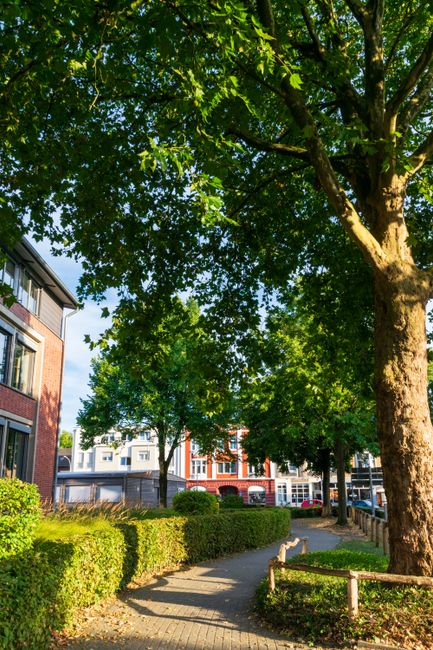
Barking Road front garden guide for Plaistow gardeners
If you live near Barking Road and your front garden is looking a bit tired, overgrown, or simply hard to keep on top of, you are not alone. Front gardens in Plaistow have to do a lot of work: they shape the first impression of the house, cope with busy street life, and still need to stay practical through wet winters, dusty summers, and the odd bit of foot traffic. This Barking Road front garden guide for Plaistow gardeners is here to make that job clearer, calmer, and more achievable. Whether you want a neat low-maintenance layout, a greener entrance, or just a front space that feels cared for again, the right plan makes all the difference.
Below, you will find straightforward guidance on what works well locally, what tends to fail, and how to choose a style that suits your home, your time, and your budget. Nothing too grand. Just solid, local, sensible advice that helps you get from "we should really sort this out" to something that actually looks good on a Tuesday morning in February. If you want support with a wider garden project, you can also explore our gardening services overview or learn more about us.
Table of Contents
- Why this front garden guide matters
- How a Barking Road front garden plan works
- Key benefits and practical advantages
- Who this is for and when it makes sense
- Step-by-step guidance
- Expert tips for better results
- Common mistakes to avoid
- Tools, resources and recommendations
- Law, compliance, standards, or best practice
- Options, methods, or comparison table
- Case study or real-world example
- Practical checklist
- Conclusion
- Frequently asked questions
Why Barking Road front garden guide for Plaistow gardeners Matters
A front garden is not just decoration. In a place like Plaistow, it is part kerb appeal, part everyday utility, and part small buffer between the street and your home. A good front garden can soften a hard frontage, make a house feel more welcoming, and cut down the constant feeling that the place is forever in "messy but temporary" mode. Truth be told, many front gardens become stressful because they are designed for one season but lived with all year.
Along Barking Road, properties often face a mix of visibility, narrow access, and urban wear. That means planting choices need to cope with exposure, front paths need to stay clear, and materials need to be durable enough not to look shabby after one winter. If you get the layout right, the garden works harder for you. If you get it wrong, you spend more time rescuing it than enjoying it. And nobody needs that, especially with everything else going on.
This guide matters because it helps you make practical decisions before you start digging or buying plants you will later regret. It also helps if you are trying to decide whether to do the work yourself or bring in a professional. For many homeowners, the best result comes from a mix of simple DIY maintenance and occasional expert help, especially where clearance, pruning, waste removal, or full replanting is involved. If you are comparing service options, a useful next read is the pricing and quotes page, which gives a clearer idea of how projects are usually approached.
How Barking Road front garden guide for Plaistow gardeners Works
Front garden planning works best when you treat the space as a small system rather than a patch of soil to fill. Start with the practicals: where people walk, where water gathers, how much light the garden gets, and how much time you honestly have to care for it. That last bit is the killer, really. A garden that looks lovely for six weeks and then collapses into weeds is not a success.
In Plaistow, front gardens often need three things to work together:
- Access - a clear path, bin movement, and easy entry to the house.
- Structure - beds, edging, paving, or borders that hold the shape of the space.
- Planting - shrubs, perennials, climbers, or ground cover that suit the light and do not demand constant fuss.
The process usually goes like this. First, clear the space and assess what is already there. Then decide what stays, what goes, and what needs repair. After that, choose a style: neat and minimal, cottage-style and soft, or a more modern low-maintenance look. Once the structure is in place, planting can do the visual work without making the space feel overcrowded. That is the basic rhythm.
It also helps to think in layers. A front garden that is all one height tends to look flat, while a garden with one or two standout features feels intentional. That might be a good evergreen shrub, a climber trained up the front, or a container arrangement by the doorway. Small change, big payoff.
Key Benefits and Practical Advantages
There are a few clear benefits to getting your Barking Road front garden right, and they go beyond appearance.
- Better first impression - a well-kept frontage instantly lifts the look of the property.
- Less long-term maintenance - the right planting and materials reduce weekend chores.
- Improved usability - paths, steps, and edges become easier to use and safer to navigate.
- Better resilience - a thoughtfully planned garden handles weather, footfall, and neglect far better.
- More pride in the property - you tend to use and enjoy a space more when it feels finished.
There is also a quieter benefit: a good front garden changes how you arrive home. Sounds simple, but it matters. You notice the tidy line of a border, the scent of rosemary near the doorway, the clean edge of a path after rain. Those small details make a house feel lived in rather than merely occupied.
From a practical point of view, front gardens can also be more cost-effective to improve than people expect. A thoughtful refresh often has more impact than a full rebuild. Re-edging, mulching, pruning, and replacing a few weak plants can completely change the feel of the place without tearing everything out.
Who This Is For and When It Makes Sense
This guide is useful if you are a Plaistow homeowner who wants to improve a front garden that feels unmanaged, plain, awkward, or too high-maintenance. It is also relevant if you are moving into a property on or near Barking Road and want to put your own stamp on the frontage quickly but sensibly.
It makes particular sense if you are dealing with any of these situations:
- The front garden has become overgrown and hard to access.
- You want to improve kerb appeal before selling or letting a home.
- The space is small and you need design ideas that do not feel cramped.
- You want more privacy without blocking light or making the frontage look closed off.
- You are tired of plants that die back, flop over, or need constant attention.
- You need a practical solution around bins, paths, and entrance space.
Sometimes the issue is not even the garden itself. It is the sense of visual clutter around the front of the property. A few awkward pots, a hedge left too long, cracked edging, or self-seeded weeds can make the whole thing feel untidy. The fix can be surprisingly modest. A good cleanup, a better planting scheme, and a sensible maintenance routine often do more than a dramatic makeover.
And if you are not sure whether to tackle it yourself or get help, that is normal. Front gardens are small enough to tempt DIY, but detailed enough to trip you up if you rush. A bit of honest judgement goes a long way here.
Step-by-Step Guidance
1. Start with a proper clear-out
Take everything back to basics. Remove dead plants, weeds, broken pots, and anything that does not serve the space. If there is old turf, compacted soil, or damaged edging, make a note of it rather than trying to work around it. A clear space lets you see the real shape of the garden, which is half the battle.
2. Check light, drainage, and access
Look at where the sunlight falls during the day. Some front gardens get full morning sun and a fair amount of shade by late afternoon. Others stay shaded most of the time. That changes everything. Also check drainage after rain. If puddles linger, you may need to improve soil structure or rethink surfacing. Finally, make sure the layout leaves enough room for daily use. A beautiful bed that blocks your front path is not clever. It is annoying.
3. Decide what the garden should do
Ask yourself one clear question: what do I want this space to achieve? Possibilities include privacy, colour, low maintenance, symmetry, or a softer look for a hard frontage. If you try to make the garden do everything, it usually ends up doing nothing well. Pick one or two priorities and build around them.
4. Choose the right structure
The structure of a front garden often carries the whole design. You might use low edging, gravel, paving, containers, raised beds, or a simple lawn replacement. Whatever you choose, keep the lines calm and the shapes purposeful. Straight lines tend to suit tighter urban frontages, while gentle curves work best when the space has a bit more room to breathe.
5. Select plants that earn their keep
Choose plants that can cope with local conditions and still look good with limited fuss. Evergreens give year-round structure. Hardy perennials add seasonal interest. Compact shrubs can fill awkward corners without getting out of hand. If you want wildlife value, choose plants that flower for longer and do not leave the frontage looking sparse once blooms fade.
6. Mulch, water, and finish properly
Mulch is one of those unglamorous things that makes a front garden look instantly more finished. It helps reduce weeds, holds moisture, and gives the planting a tidy backdrop. Then water newly planted areas properly, especially in the first few weeks. The end result should feel complete, not just planted.
If you are planning a broader garden refresh, our services overview explains the kinds of work that can support a tidy, functional finish.
Expert Tips for Better Results
Here is where small decisions make a big difference. In our experience, the best front gardens in Plaistow are not the flashiest ones. They are the ones that hold up in real life.
- Use repetition. Repeating a plant, pot, or edging material gives the front garden a calmer look.
- Keep the palette tight. Too many colours can make a small space feel busier than it should.
- Think in winter. If the garden only looks good in May, it is not doing enough.
- Leave breathing room. Plants need space to grow without crowding the path or doorway.
- Prefer sturdy materials. Cheap edging and flimsy fixtures often become false economy.
A useful rule of thumb: if a feature needs constant explaining, it may be trying too hard. A front garden should read clearly at a glance. Not boring, just clear. That is harder than it sounds.
One more thing. Put the best-looking part where people actually see it first. Sounds obvious, but a surprising number of gardens hide their strongest feature behind a hedge or a cluttered entrance. Let the eye travel naturally from pavement to path to door.
Common Mistakes to Avoid
There are a few problems that come up again and again with front gardens on urban streets, and most are avoidable.
- Planting for the catalogue, not the site - a plant that looks lovely in theory may hate your actual light, soil, or exposure.
- Overcrowding - small front gardens can look neat, but not if every square inch is packed.
- Ignoring maintenance reality - if you only have 20 minutes a week, design for that.
- Using too many materials - mixing brick, stone, gravel, timber, and resin all at once can feel messy.
- Forgetting access - bins, prams, bikes, and daily entry still need to work.
- Letting the hard edges go - a garden can be planted well and still look unfinished if edging and paths are neglected.
A particularly common mistake is trying to make a tiny front garden look like a country border. Lovely idea, wrong setting. Dense planting can be beautiful, but on a narrow frontage it can also create a hemmed-in feeling very quickly. Better to leave a little space and let the design breathe.
Another one? Assuming low-maintenance means no-maintenance. It never does. It just means fewer jobs, fewer surprises, and a better chance of keeping on top of things when life gets busy.
Tools, Resources and Recommendations
You do not need a huge toolkit to improve a front garden, but the right basics save time and frustration.
- Gloves and secateurs for clearing and pruning.
- A spade or border fork for soil work and replanting.
- A stiff brush for paths, steps, and edging.
- Wheelbarrow or bags for waste movement.
- Measuring tape for checking spacing before you plant.
- Mulch or compost to improve finish and soil condition.
For homeowners comparing support options, it can help to review pricing and quotes alongside insurance and safety. That gives you a better sense of how a professional service is put together, what is usually included, and how peace of mind is handled.
You may also want to look at recycling and sustainability if you are clearing a lot of green waste, old fixtures, or unwanted materials. It is a practical issue as much as a green one. Nobody enjoys a garden project that leaves a trail of bags and debris for days.
If you are unsure who to trust with the work, a quick read of contact options can help you decide how to ask the right questions before getting started. And if you want to understand the company background first, the about us page is a sensible place to begin.
Law, Compliance, Standards, or Best Practice
Front garden work is often straightforward, but there are still some sensible standards and responsibilities to keep in mind. If your plans involve altering access, moving drainage, changing boundaries, or affecting anything shared with neighbours, it is worth checking details carefully before work begins. London properties can have close-set frontages, shared walls, and narrow approaches, so a small mistake can create hassle later.
For everyday gardening and maintenance, good practice usually means:
- keeping paths clear and safe to use
- managing waste responsibly
- using tools and equipment properly
- protecting nearby surfaces, windows, and services
- avoiding plant choices that become invasive or unmanageable
If a professional is doing the work, it is reasonable to expect clear communication about safety, insurance, and what happens if something changes mid-job. That is where pages like health and safety policy, insurance and safety, and terms and conditions matter. They are not exciting reading, fair enough, but they do help set expectations.
Privacy and payment are worth checking too, especially if you are arranging a larger front garden project online. You can review privacy policy and payment and security for reassurance. If anything ever feels unclear, the complaints procedure should also be easy to find. The boring bits, as usual, are the bits that keep everything smooth.
Options, Methods, or Comparison Table
If you are deciding how to improve your front garden, the best method depends on your goals, budget, and how much maintenance you can realistically handle. Here is a simple comparison to make the choice easier.
| Approach | Best for | Pros | Watch-outs |
|---|---|---|---|
| Simple tidy-up and replanting | Quick visual improvement | Low disruption, affordable, fast results | May not fix structural issues or drainage problems |
| Low-maintenance redesign | Busy households and long-term ease | Less weeding, easier upkeep, cleaner look | Needs good plant selection and careful layout |
| Full front garden makeover | Major kerb appeal changes or damaged spaces | Best for lasting transformation | More time, more cost, and usually more planning |
| Container-led frontage | Very small spaces or rented homes | Flexible, changeable, simple to manage | Containers dry out quickly and need regular attention |
A full makeover is not always necessary. Honestly, many Barking Road front gardens need better structure more than they need more stuff. Sometimes the smartest move is to simplify the design, remove a few obstacles, and let the existing space work properly.
Case Study or Real-World Example
Here is a typical local scenario. A front garden near Barking Road has become a mix of patchy soil, a tired hedge, cracked edging, and three containers that look fine from a distance but are mostly hiding dead stems and weeds. The owner wants it to look better but does not want a dramatic overhaul.
The practical solution is usually not to rip everything out at once. Instead, you start by clearing the dead material, reducing the hedge to a manageable shape, repairing the edges, and choosing a handful of reliable plants that suit the available light. Then you add mulch, tidy the path, and create one strong focal point near the entrance. Often that means a neat evergreen shrub or a pair of simple containers framing the door. Nothing extravagant. Just coherent.
Within a day or two, the space stops looking like a problem. It starts looking intentional. That shift is the whole point. The garden is still modest, still urban, still practical, but now it feels like someone cares. And that feeling carries more weight than people expect.
Practical Checklist
Use this checklist before you start work or book help:
- Have I decided what the front garden needs most: privacy, colour, structure, or low maintenance?
- Have I checked light levels and drainage?
- Is the path clear and safe to use?
- Do I know which plants can cope with the site conditions?
- Have I allowed enough space for growth?
- Do I have a plan for waste removal?
- Have I thought about winter appearance as well as summer colour?
- Do I want a DIY refresh or professional support?
- Have I checked trust, safety, and payment information if hiring someone?
- Does the design suit the house, not just the latest trend?
Expert summary: The best front gardens on Barking Road are usually not the biggest or the fanciest. They are the ones that balance appearance, access, and upkeep without creating extra work for the homeowner. Keep it clear, keep it durable, and choose plants that can survive real life, not just a perfect weekend.
Conclusion
A well-planned front garden can change the feel of a whole property. For Plaistow homeowners, and especially anyone thinking through a Barking Road frontage, the real win is not just visual appeal. It is having a space that works in daily life, looks decent through the seasons, and does not become a burden. That balance is absolutely possible.
Start with the basics, be honest about maintenance, and build the design around the conditions you actually have. If you do that, the result will feel more settled, more welcoming, and more yours. No drama. No endless fixing. Just a front garden that finally pulls its weight.
If you are ready to talk through your own project, get in touch and ask for practical next steps rather than a hard sell. A good plan begins with a straightforward conversation.
Get a free quote today and see how much you can save.
Frequently Asked Questions
What makes a front garden on Barking Road different from a suburban front garden?
Front gardens on Barking Road often need to work harder in a tighter, more urban setting. That usually means more attention to access, privacy, durability, and keeping the space tidy without overfilling it.
What are the best low-maintenance front garden ideas for Plaistow homes?
Reliable evergreen shrubs, hardy perennials, simple edging, and a restrained layout are usually the safest choices. Containers can work too, but only if you are happy to water them regularly.
How can I make a small front garden look bigger?
Use clean lines, limit the number of materials, avoid overcrowding, and keep the strongest feature near the entrance. A calmer design nearly always feels more spacious than a busy one.
Do I need professional help for a front garden makeover?
Not always. If the job is mostly planting and tidying, you may manage it yourself. If there is heavy clearance, structural edging, awkward access, or a full redesign, professional help can save time and reduce mistakes.
How much maintenance does a front garden usually need?
That depends on the design. A simple planted frontage may need light weekly attention in growing season and less in winter, while a more detailed border or container scheme will need more regular care.
What should I avoid planting near the front of my house?
Avoid anything that grows too large for the space, blocks paths, or becomes high-maintenance quickly. It is also wise to avoid plants that spread aggressively or need constant cutting back just to stay in bounds.
Can a front garden help with privacy?
Yes, but it needs to be handled carefully. Low hedging, well-placed shrubs, and layered planting can soften the view from the street without making the frontage feel closed off.
Is it worth improving a front garden before selling a property?
Usually, yes. A neat and well-presented frontage can make a home feel more cared for and more inviting. You do not need a huge budget for that to matter.
What is the quickest way to improve a tired front garden?
Clear the clutter, cut back overgrowth, refresh the edging, and add mulch. Then choose one strong planting feature rather than trying to fix everything at once. It is often the quickest route to a visible change.
How do I know whether my front garden is too shaded for flowers?
Watch the space at different times of day. If it gets very little direct sun, choose shade-tolerant plants and focus more on foliage, structure, and evergreen interest than on heavy flowering displays.
What should I ask before hiring someone to work on my front garden?
Ask what is included, how waste will be handled, whether they are insured, how pricing is structured, and what happens if the scope changes. Clear answers up front save a lot of confusion later.
Where can I learn more about the company's approach to trust and support?
You can review the health and safety policy, insurance and safety, and contact page for more detail on how enquiries and work are handled.